Pinterest fundamentals
Get back to basics with must-know essentials and best practices for creating content on Pinterest.
Make a plan
Map out a plan and strategy to help your content work harder for you, your audience and your business.
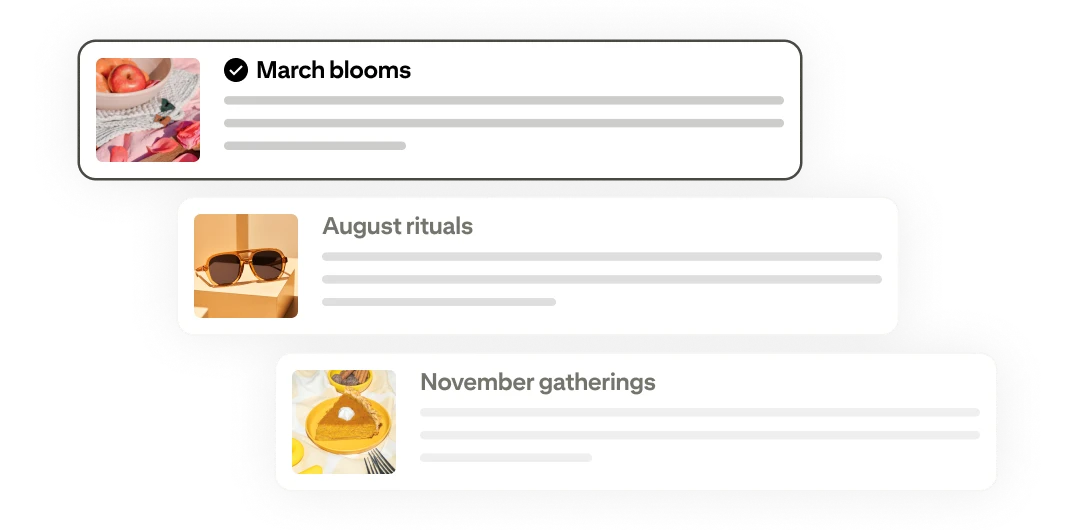
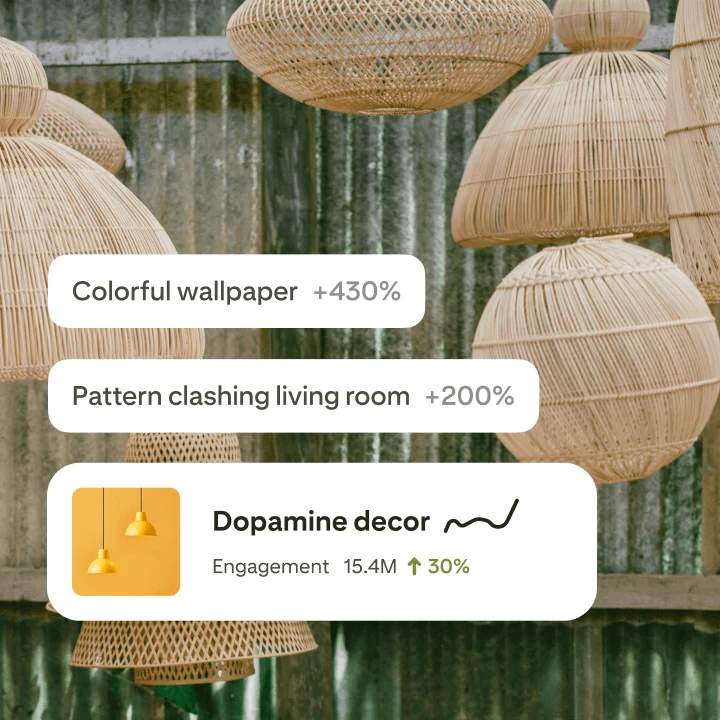
Trend tools: Get ahead of what people are looking for with Pinterest’s trend resources—Pinterest Trends and Pinterest Predicts.
Use Pinterest trend tools
Explore these go-to resources to lean into the trending topics and seasonal moments that your audience is most interested in.
Pinterest Predicts: The annual trend report provides an overview of emerging trends for the coming year. Use these to stay ahead of what global audiences will be looking for in the coming months.
Pinterest Trends tool: To get more granular and check in as the year progresses, Pinterest Trends can help you identify the topics your audience is and will be searching for.

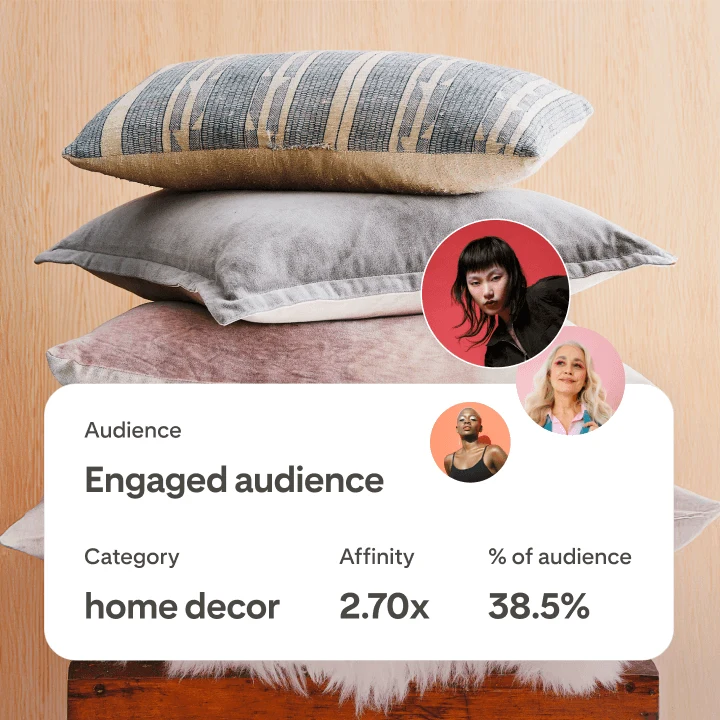
Audience insights: If you've already published a Pin or board, see how your content is performing with Pinterest Analytics. Review these insights before creating anything new. (Please note: You’ll need a free business account for access.)
Check out audience insights
Pinterest Analytics offers rich insights into how your Pins and boards are performing and who they're reaching. Review your audience insights and past Pin performance before creating anything new so you know which themes, formats and keywords are most likely to resonate with your target demographic.

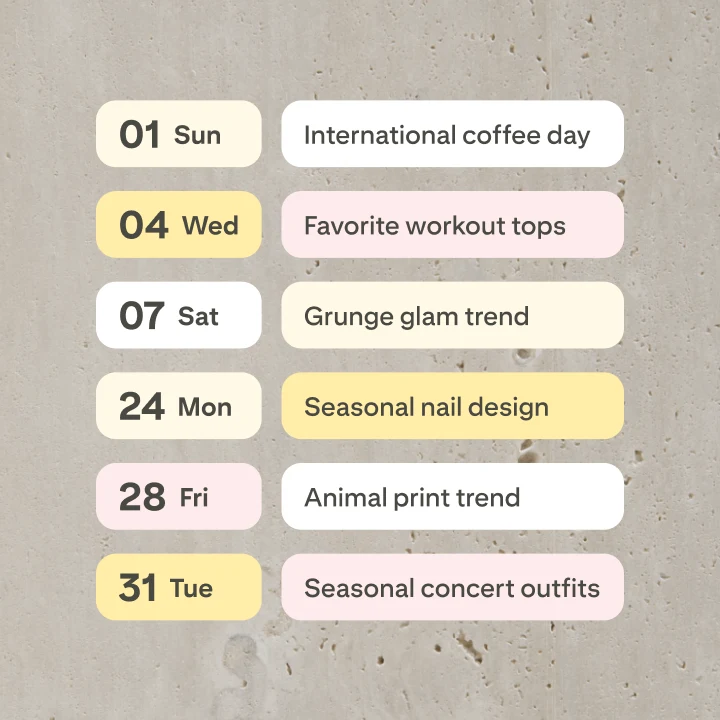
Content calendar: Ensure you’re posting a mix of content types and covering key moments by building a calendar.
Build a content calendar
Stay ahead of the game by prepping a content calendar that includes a balanced mix of evergreen, trending and seasonal ideas. This can help you maintain a consistent posting cadence and ensure coverage of high-impact opportunities (think: schedulable milestones and moments that will resonate with your audience).
Pro tip: Plan your content calendar 45–60 days in advance for maximum relevance.

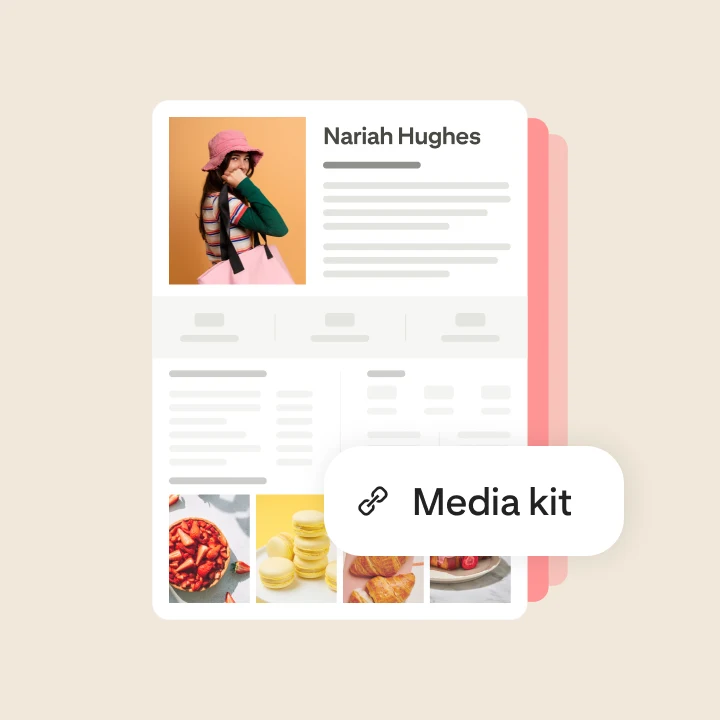
Partnership prep: Lay the groundwork for brand partnerships by researching and updating your profile and media kit.
Lay the groundwork for brand partnerships
Proactively research and create a shortlist of brands that align with your audience and content niche. Then create or update your profile and media kit to showcase your value when reaching out to possible partners.

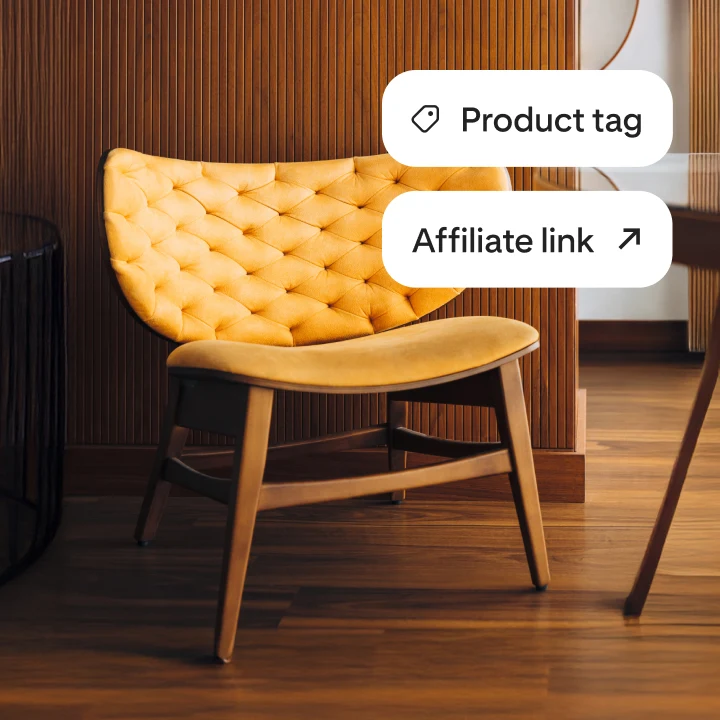
Content goals: Define measurable objectives for each Pin, and add a clear call to action (site link, affiliate link or more).
Set content goals and plan affiliate links
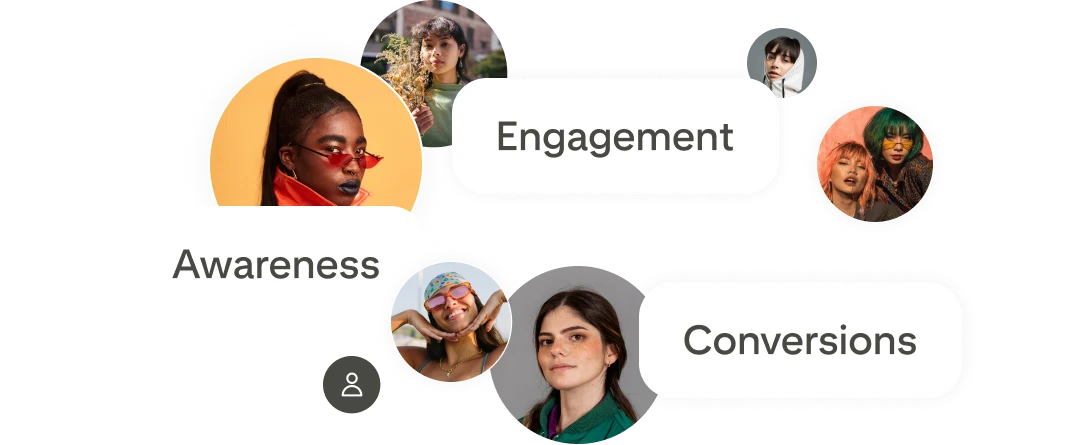
Each piece of content should serve a purpose, like increasing engagement, driving traffic or generating conversions. Define measurable objectives for each Pin, and build your content to align with your goal. Add a clear call to action and link, and include affiliate links or product tags for added value and monetization.
Create impactful content
Pins and boards offer engaging, high-quality formats that can align with your strategy.
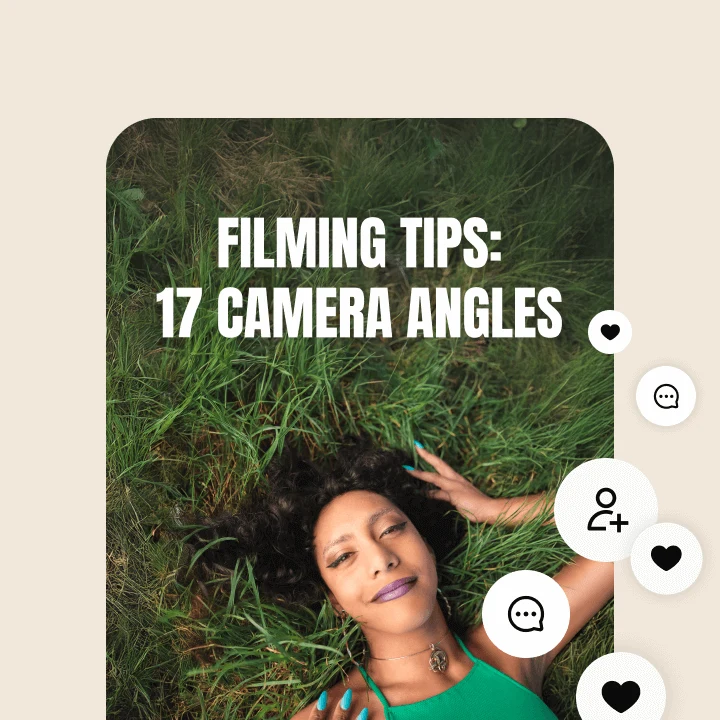
Pin formats: Try a mix of image Pins, video Pins and collages to bring your ideas to life. Each format offers fresh ways to reach your audience, so select the content type that fits best.
Choose a tailored content format
Experiment with a mix of inspirational Pin types to bring your ideas to life in unique ways. Each format offers fresh ways to reach your audience.
Image Pin: A static Pin created with a single photo (uploaded, saved or auto-published). Great for sharing ideas, inspiration, products, recipes and more.
Video Pin: A Pin that features moving visuals (short video clip or animation). Video Pins are ideal for tutorials, step‑by‑steps, demos, recipes or brand storytelling.
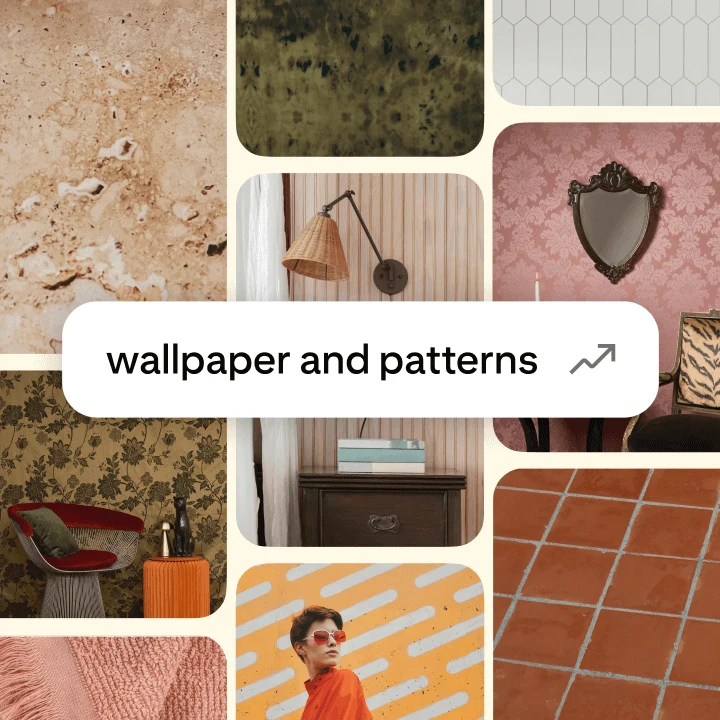
Collage: An interactive Pin made by combining multiple image and product cutouts. Creative, shoppable and highly engaging, collages allow people to curate and share mood boards, outfit ideas, room designs and more—all within one Pin.

Curated collections: Boards allow you to group your Pins into well-structured, themed collections. This organization makes it easy for people to discover and engage with your content.
Board best practices
Board title: Short and concise title to avoid truncation, with relevant keywords.
Board description: Add relevant keywords that accurately represent the board’s content.
Images
Board header: Feature a representative and inspirational Pin image at the top of your board. (Note: Board headers can only be set on mobile devices.)
Board cover: Choose a single image that accurately represents the board’s content and place your best Pins first. (The board cover displays one larger image with the first two Pins from the board shown beneath it.)
Pins saved to the board: Include visually cohesive and relevant images that clearly convey a specific vibe, aesthetic or theme. Put the most representative Pins in the first two rows (5-10 Pins).
Board theme: Be niche and specific (e.g. vegan breakfast recipes).
Organization: When relevant, use sections and aim for 20–100 Pins per board or per board section.
Updates: Regularly add relevant Pins to your boards; refresh evergreen boards.

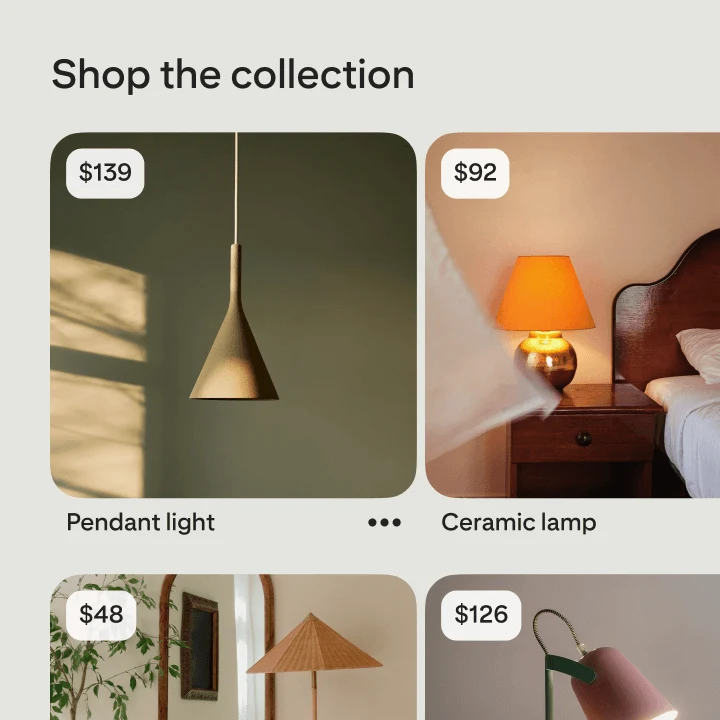
Creative best practices: Start with compelling, high-quality, mobile-friendly visuals that let your creativity shine.
Creative best practices
Pinterest is a visual discovery engine. Create eye-catching content that tells a clear story and is optimized for mobile and search.
Pin best practices
Add context to your idea: Add a title and description to your Pin, and include relevant keywords to help boost search visibility.
Use compelling visuals: Incorporate solid lighting, great framing and high-resolution assets.
Select a clear thumbnail: Set a thumbnail image that accurately represents your Pin’s main message.
Save to a relevant board: Help your audience easily find and explore your content.
Be true to you: Stay authentic and approachable to build trust with your audience. Share content that feels genuine rather than overly produced.
More creative tips
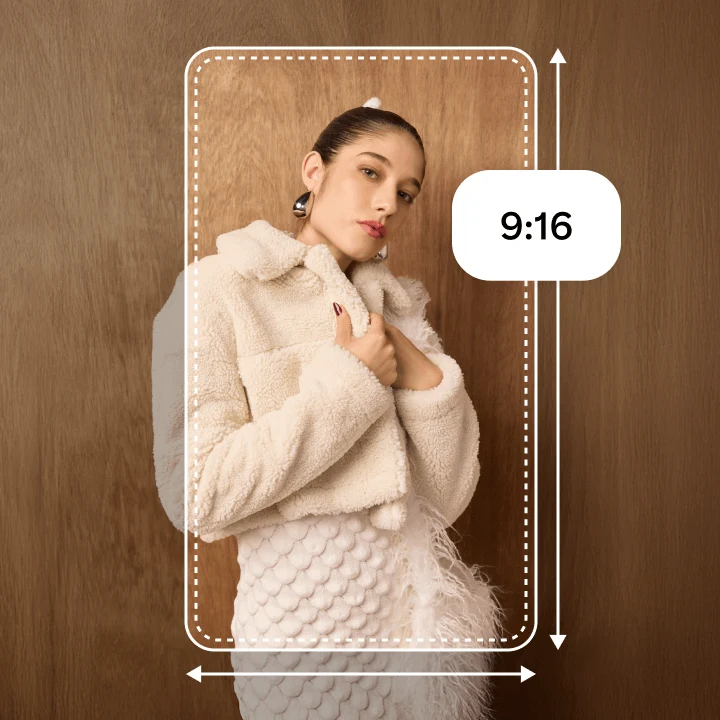
Embrace mobile-first design: Most people browse on their phones. Format your Pins vertically, and keep important details easy to see on small screens.
Place text thoughtfully: Not all Pins need text on the image or video, but for some types of content, it can be helpful to emphasize the idea and encourage people to click on it. (Tip: Let your imagery take center stage and watch out for safe zones.)
Consider color and contrast: Be bright and bold, but keep it balanced.

Shoppable features: Explore formats and features that align with how you earn. Try affiliate links and product tags to help drive conversions or product Pins, which encourage people to click to shop.

Try shoppable formats
For merchants: Consider creating product Pins (which include details like pricing and availability) with clear calls to action encouraging people to click to shop.
For content creators and publishers: Product tags and Pin links can be a great way to highlight affiliate or shoppable content. Insert affiliate links or product tags into your Pins following Pinterest’s disclosure guidelines to help drive conversions and revenue.

Branded content: Integrating brand partnerships authentically and transparently can be a great way to drive new revenue opportunities. Use the paid partnership tool and tag brands to meet disclosure rules and build trust.
Create high-value branded content
Sponsored Pins should reflect your voice and style and fit seamlessly with the rest of your content to make them as valuable as possible for both you and your audience. Be sure to use the paid partnership tool and tag brands to comply with disclosure requirements and help build trust.
Optimize for success
Monitor what drives results and refine future content accordingly to keep it relevant and impactful.

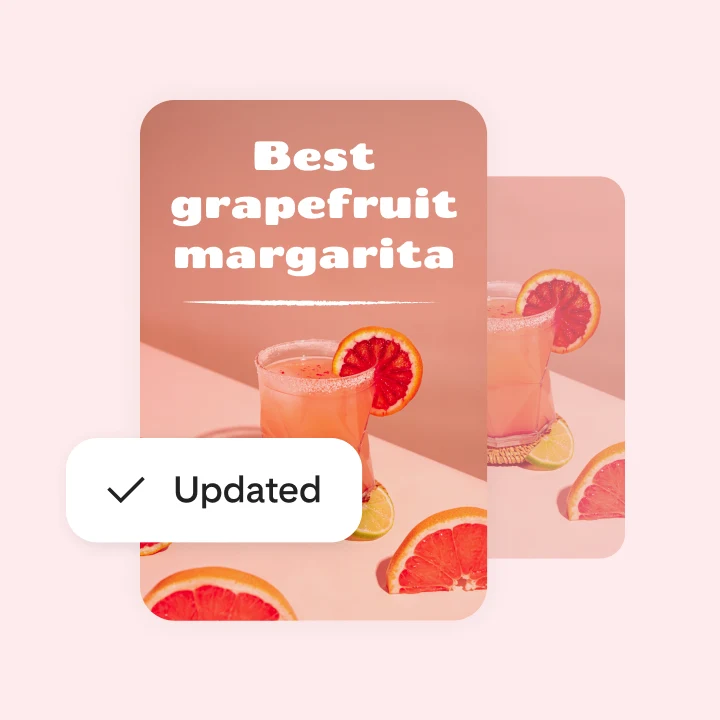
Audit: Review your Pins and boards at a regular cadence to keep your library fresh. Iterate on standout content and update outdated or low-performing assets to help make them more engaging and effective.

Audit your content
Use Pinterest Analytics to surface top-performing content to build on and flag outdated or low-impact assets ready for fresh creative or stronger keywords. This audit keeps evergreen content current and helps make every asset more engaging and effective.

Test: Run A/B tests to see how changes to elements like copy, visuals and formats affect performance. Experiment with different versions, then use these learnings to direct future content.
Test and learn
A/B testing steps
1. Set your goal: Decide what you want to achieve with your content (for example, more saves, clicks, impressions).
2. Identify an element to test: Choose a specific aspect to focus on, such as design, headline, description or call-to-action.
3. Prepare two versions: Create two Pins that differ only in the element you're testing.
4. Publish and test: Publish both versions around the same time and save them to the same or similar boards.
5. Track metrics: Closely check the performance metrics that align with your testing goal to help determine which version of your content performs better.

Strategy tweaks: Once your content is live, revisit your analytics to see what’s excelling and what’s lagging. Apply those learnings—whether high-engagement themes or refined targeting—to enhance new content, proposals and campaigns.
Use analytics to inform strategy
Pro tip: Consider adding the main types of content people on Pinterest actively search for into your mix.
Seasonal: Time-bound ideas tied to holidays or yearly moments. Timely Pins capture your audience when they’re craving seasonal inspo.
Trendy: Topics that reflect what’s trending or soon-to-be trending. Trend-driven Pins can spark a quick burst of engagement by tapping into what’s popular now.
Evergreen: Timeless ideas that stay relevant year-round. These steady performers deliver consistent traffic and act as your reliable mainstay.

Repurpose: Give existing content new life on Pinterest. Leverage automated cross-posting or refresh assets (resize, reformat or renew with design touches) to extend their reach and get more value from every creation.
Repurpose your content
Breathe new life into content you’ve already created elsewhere by sharing it on Pinterest. Whether you use automated cross-posting or update the assets (resize, reformat or renew with fresh design elements), a light refresh can broaden their reach and help you get more value from every creation.
A few reformatting tips to keep in mind:
Remove watermarks/logos from other platforms.
Ensure your content remains unobstructed by UI elements by staying within the safe zone.
Use high-res full-screen video or image: Use video with a resolution of 720p or higher and aspect ratio of 9:16 (1080x1920 px) or image with 2:3 aspect ratio (ex: 1000 x 1500 pixels).
Use text overlay thoughtfully to help provide context (especially for videos), as headlines or hooks.
Grow and thrive on Pinterest
Pinterest’s trends resources make it easy to see what people are searching for. Optimize your Pins to make discovery seamless.

Interactive formats and analytics tools let you see what’s resonating, so you can craft content that connects with your audience.

Create content designed to help drive revenue, directly or indirectly, with shoppable formats, affiliate links, sponsored content and branded partnerships.

Built-in features and third-party tool integrations allow you to cross-post, batch-create and schedule Pins with less time and effort.
Get started
Ready to create inspiring content that helps you reach your goals? Bring it to life in a more positive place.
